Occupational Therapy Services
Surgery, illness, and aging can change life completely and it can feel uncomfortable to rely on loved ones and medical professionals all day. Over time, occupational therapy can bring back lost autonomy.
What is Occupational Therapy?
Occupational therapy combines medical techniques and physical activities to help people cope with the tasks and obstacles of independent living.
Each of our residents receives a customized rehabilitation plan that focuses on performing self-care and work-related tasks without intervention. We want to return you or your loved one to a normal routine while ensuring safety, professional care, and peace of mind.
During appointments, our therapists assess fine motor skills, balance, coordination, and cognitive abilities. They provide practical exercises to support where needed. Hands-on activities, new manual methods, or tools are often used to enhance therapy.
Occupational therapy is effective because it:
- Teaches alternatives or adaptations for everyday actions.
- Is backed by medical studies and scientific evidence.
- Takes the patient’s perspective and needs into account.
- Offers accountability during surgical recovery.
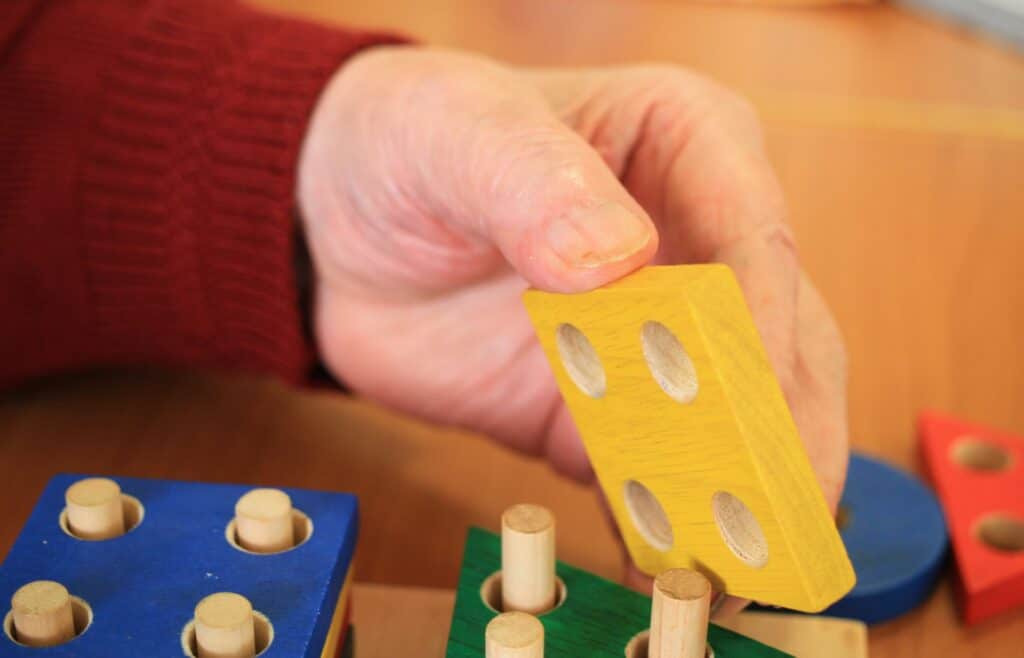
Most CommuniCare facilities include a realistic environment to practice routines from home and work. Regular occupational therapy sessions can be a part of short-term skilled nursing rehabilitation services or long-term senior care services.
Interested in occupational therapy for you or your loved one? Contact CommuniCare today to start your recovery with professional care and oversight.
Occupational Therapy Specialists
Our clinical teams specialize in occupational therapy for these procedures and illnesses. We specialize in therapy for the following procedures and complex recoveries:
| Total Hip Replacement Surgery Total Knee Replacement Surgery Joint Replacement Surgery Shoulder Repair Surgery Back Surgery Cardiac Surgery Major Abdominal Surgery Hip Fracture Stroke Pneumonia Congestive Heart Failure (CHF) COPD Exacerbation Urinary Tract Infection (UTI) Diabetes Management Wound Care Management | Nutrition Management, including Enteral and Parenteral Feeding Cancer Care Pain Management Pulmonary Care Cardiac Recovery Intensive IV Therapy Tracheostomies BiPAP/CPAP Acute and Chronic Renal Disease Services/Management of Dialysis General Weakness |
Our facilities are prepared to handle even the most challenging recovery plans and can help to ensure that you or your loved one safely develops the long-term skills to return to independent living.
What’s the Difference Between Occupational Therapy and Physical Therapy?
While they share similarities and are often a part of effective recovery from major surgery, occupational therapy and physical therapy serve two distinct purposes.
Physical therapy focuses on the body’s mobility and whether it works well in unison.
It evaluates skills such as:
- Balance
- Sitting
- Standing
- Walking
Occupational therapy focuses on completing the ordinary tasks that make us independent.
Everyday tasks like:
- Tying shoes
- Gardening
- Getting in and out of bed or a car
- Opening bottles or jars
- Safe cooking
- Checking the mail
- Washing dishes
- Doing laundry
- Navigating a home
- Using a wallet
- and so many more challenging things
Occupational therapy sessions can concentrate on any of these tasks, and are often directed by the needs of the resident.
Why Occupational Therapy Is Essential
The benefits of occupational therapy after a major surgery, injury, or illness are undeniable. Success in occupational therapy is one the biggest factors that determine how fast an individual can progress through recovery and return to their normal life.
Below we’ve outlined five of the benefits we see in our residents during their occupational therapy service sessions.
1. Learn how to adapt to change.
Most residents navigate differences in their health, skills, environment, or independence. Our therapists share tools and techniques designed to support rehabilitation. When improvement isn’t feasible, they focus on the new normal and how to acclimate to the changes.
2. Experience a better quality of life.
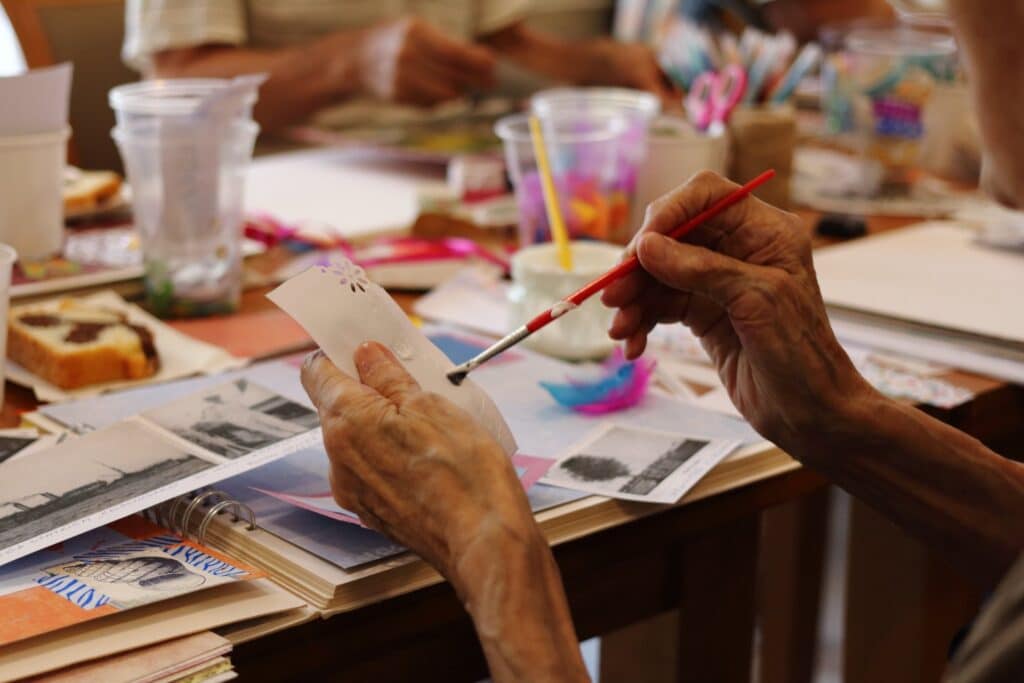
Despite limitations, therapy offers access to redevelop lost skills. This increases the chance of becoming independent and confident again. It also provides consistency and socialization at a time when they might be sparse.
3. Maintain safety while fostering autonomy.
Plan ahead and prevent injuries or worsening symptoms. Having a professional monitor the health of your loved one can be a relief. Families find solace in our thoughtfully designed facilities. Every detail serves a purpose with this level of comprehensive care, and we address both our residents’ needs and family concerns.
4. Gain an accountability partner.
Our therapists track improvement and help maintain focus over time. Recovery is a long road with many setbacks and new ways of doing things. This can frustrate and intimidate someone who is used to a different way of life. Recovery can feel more achievable when an occupational therapist is there rooting for you.
5. Head home with clear next steps.
Being a part of CommuniCare’s program laid the foundation, and now it’s time your loved one to practice their new skills at home. The transition from a structured environment to the old routines of home can be difficult without a home care plan. Every resident goes home with one of these plans. Family members have clear guidance on what to do next, along with examples of exercises to continue. There is also always the opportunity to return to occupational therapy if needed in the future.
Your Partner in Occupational Therapy
Find a CommuniCare facility that offers speech therapy services.
We have locations in Ohio, Indiana, Virginia, and West Virginia.