From the Blog: Celebrating Our Brilliant SLPs During National Speech-Language-Hearing Month (Part I)
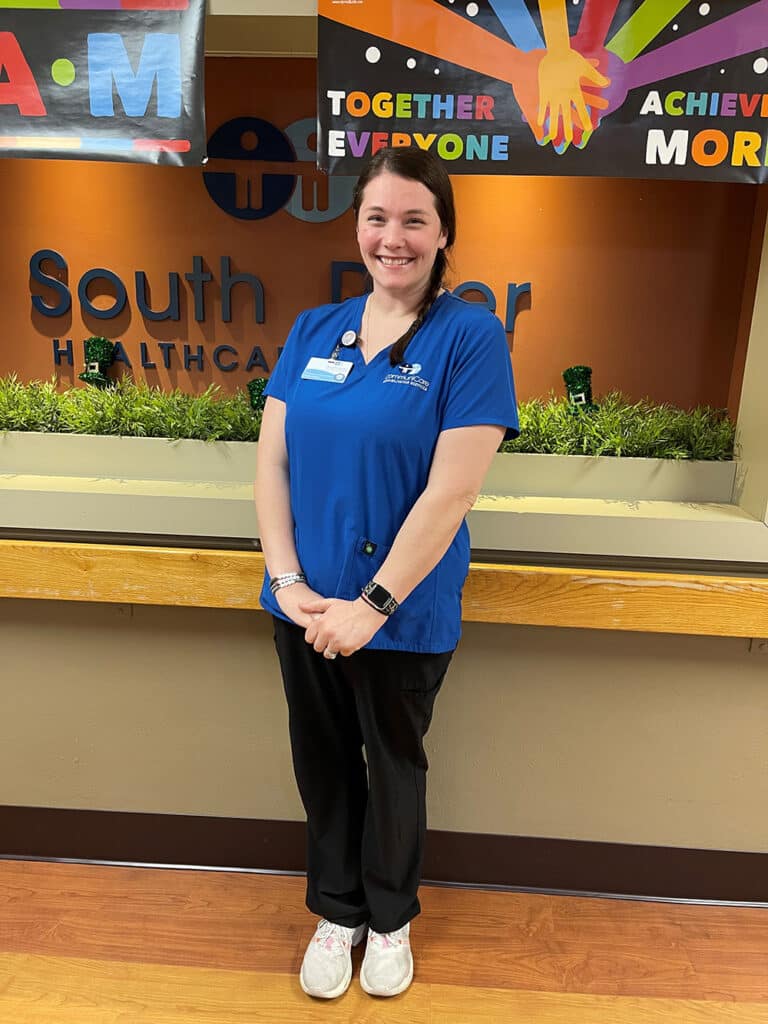
May is National Speech-Language-Hearing Month, a time to celebrate the important work speech-language pathologists (SLPs) do to help individuals improve communication, overcome challenges, and regain essential life skills. To recognize the SLPs making a difference in CommuniCare centers, we connected with six of our own: Lauren Rickets from South River Healthcare Center, Olivia Woodward from Summersville Healthcare Center, Jennifer Uhl from Advanced Specialty Hospital, Katey Banks from Martinsburg Healthcare Center, Kailee Thadeus from Lake Pointe Health Center, and Emilee McGahee from Braxton Healthcare Center!
Where are you from and what facility do you work at?
Lauren: I’m from Severna Park, Maryland, and work at South River Healthcare Center.
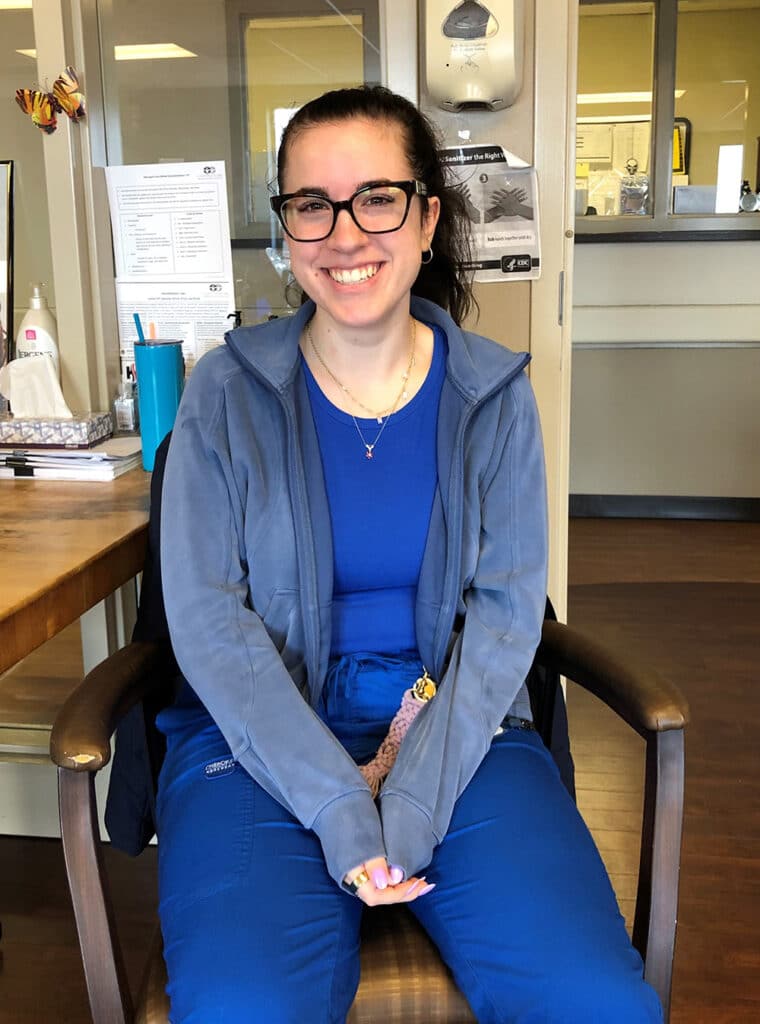
Olivia: I’m from Gassaway, West Virginia, and work at Summersville Healthcare Center.
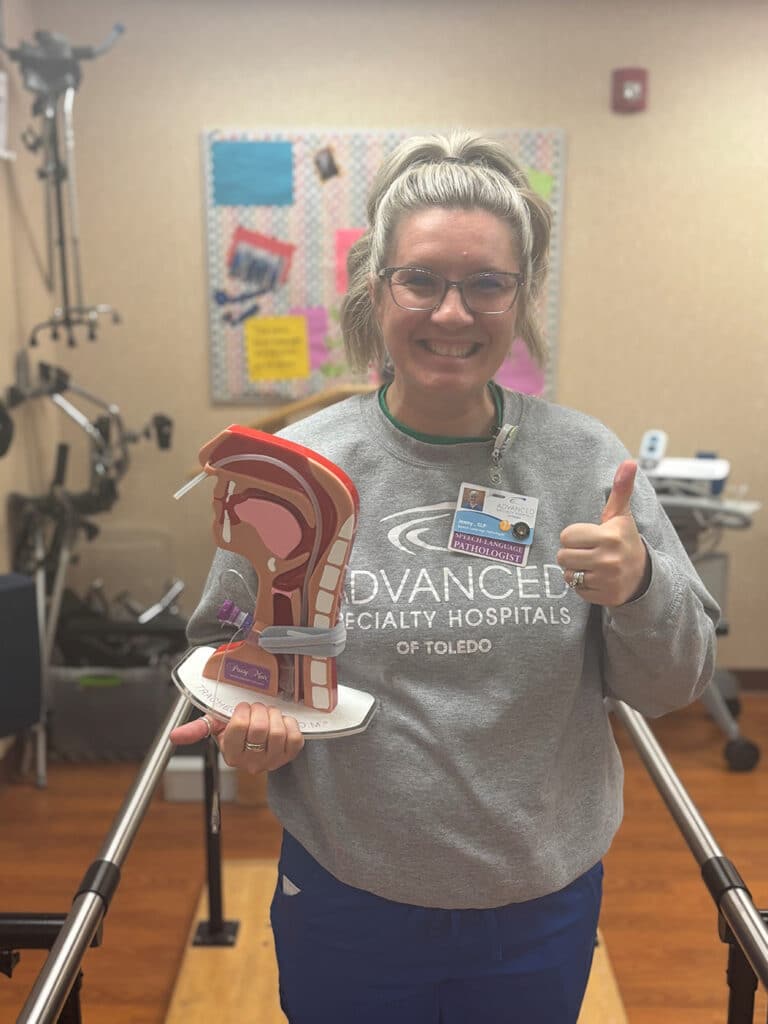
Jennifer: I’ve been working at Advanced Specialty Hospital for 16 years. I’m from Michigan!
Katey: I am from Berkeley Springs, West Virginia, and I work at Martinsburg Healthcare Center.
Kailee: I’m from Westlake, Ohio, and I work at Lake Pointe Health Center.
Emilee: I’m from Gulfport, Mississippi and work at Braxton Healthcare Center.
How long have you been working as a speech-language pathologist and what drew you to this specific career path? Where did you receive your training?
Lauren: I’ve been working as an SLP for nine years and was trained at Loyola University Maryland. I was originally an education major but felt I connected much better one-on-one with others. I began taking speech pathology courses and became fascinated by all of the different areas and specialties that are available within the field for people of all ages!
Olivia: I shadowed an SLP while I was in high school. During my visit, I was able to see first-hand the impact that intervention and rehabilitation could have on people’s lives. I wanted to help be that impact. I received my training from West Virginia University and have been working in the field for two years now!
Jennifer: I was drawn to speech therapy during college. I sat down next to a speech therapy student in my anatomy class, and she convinced me to go into speech therapy.
Katey: I have been working as a speech language pathologist for 10 months now! I just recently received my CCCs! I received my training from West Virginia University for both my undergraduate and graduate degrees. This field has always been a dream of mine and I have always known that I wanted to help others!
Kailee: I have been working for about two years now and chose to become an SLP for a variety of reasons. I really want to help people and as an SLP I can assist in so many different areas like teaching somebody how to swallow again, helping them gain their voice back, and educating families on what life might look like now with a family member who has dementia. I received my bachelor’s from Miami University and my master’s from Baldwin Wallace University.
Emilee: I’ve been working as an SLP for one year and received training from the University of Southern Mississippi. I volunteered at the Biloxi Veteran Affairs Community Living Center every summer in high school, and I got to see how the SLP made an impact with every resident. It inspired me to follow that path and become an SLP.
In your own words, how would you describe the role of an SLP?
Lauren: We assess and treat various speech, language, cognitive-communication, voice, and swallowing disorders. We work collaboratively with the interdisciplinary team, patients, and family members to help patients be safe and successful within their daily lives.
Olivia: As SLPs, our field is responsible for aiding in bridging gaps in communication, cognition, swallowing, and so much more for individuals with developmental and/or acquired disorders.
Jennifer: As a speech-therapist, I help my patients regain their independence by talking, swallowing and thinking.
Katey: My role in my current position as an SLP is mainly working on cognitive intervention and swallowing rehabilitation. I also sometimes work with patients who have had deficits in motor speech and language functioning. Many of my patients receive cognitive intervention to target deficits in short-term memory, thought organization, problem solving, orientation, sequencing, and mental planning. These cognitive skills targeted during speech therapy have strong carryovers during functional life tasks that patients complete every day. I also work with patients who have dysphagia in order to decrease the risk of aspiration. During this type of intervention, I teach compensatory swallowing strategies and instruct patients in strengthening exercises in hopes to decrease risk for aspiration during meals. For many of my patients, I also provide intervention to target motor speech impairments and language deficits. During this type of intervention, a patient might be receiving therapy to assist with changes in their intelligibility of speech, auditory comprehension, and/or verbal expression.
Kailee: The role of an SLP is so vast as we work with so many different types of populations and disorders. In my role as a skilled nursing facility-based SLP, I help diagnose and treat swallow disorders, voice disorders, cognitive-linguistic impairments, and many more.
Emilee: The role of an SLP is to evaluate and treat patients who may struggle in areas such as swallowing, cognition, voice, and language. SLPs develop specific treatment plans for patients and provide education to the patient, staff, and caregivers.
What is your favorite part of being an SLP or working in the skilled nursing/long-term care space? What keeps you passionate about your work?
Lauren: I like that every day is different! In skilled nursing, we treat so many different impairments and never know who will be admitted and what their needs might be.
Olivia: Working in a skilled nursing facility, not only do I receive the privilege of providing treatment to some wonderful individuals, but I also get to be a part of their lives. I hear about their life accomplishments; how proud they are of their children and grandchildren and share their excitement with therapy progress.
Jennifer: It is so special to hear a patient talk for the first time when they come off of a ventilator. Each patient says something different, and it is wonderful to be able to hear their voice after so long.
Katey: My favorite part of my job is that I get to be a friend to my patients as they are going through this stage in their life. I love getting to know my patients and learning about their lives as I work.
Kailee: My favorite part about being an SLP is seeing the progress my patients have made to hopefully return home and back to their lives after an accident or illness. The effort and hard work that my patients and sometimes their family members put towards therapy is what keeps me passionate.
Emilee: It would have to be the residents! Building strong, long-term connections with my residents keeps my passion burning strong!
Can you describe a moment or experience in your career that made you feel especially proud or fulfilled?
Lauren: Early in my career I was treating a young patient for dysphagia after a traumatic injury to their head/neck. I had a gut feeling that something was not right with the way she presented and was responding to treatment. I was diligent with referrals for instrumental swallowing assessments and to ENT. After two returns back to ENT and my communication with the doctor, they discovered an issue within her neck they were able to fix within the hour, and her swallowing/voice issues improved tenfold! I truly felt like I helped change her life!
Olivia: I was honored to help my patient use his speech strategies to tell his wife he loved her for the first time following his stroke.
Katey: Just recently, a patient of mine returned home after a two month stay in the skilled nursing facility. When she first arrived, she was sad and very unmotivated to participate in therapy. She just wanted to return home and not be at the facility anymore. As time went on and I continued to spend time with her each day, we began to form a connection. She loved to talk about her life and share about her memories and family life. Over time, she began to enjoy participating in therapy. With each session, she grew more comfortable with the therapy team, and together we helped her regain the strength and confidence needed to safely return home to her prior level of independence. On her day of discharge, she was so appreciative and thankful. It made me feel great to see her go from not wanting to participate to being able to return home.
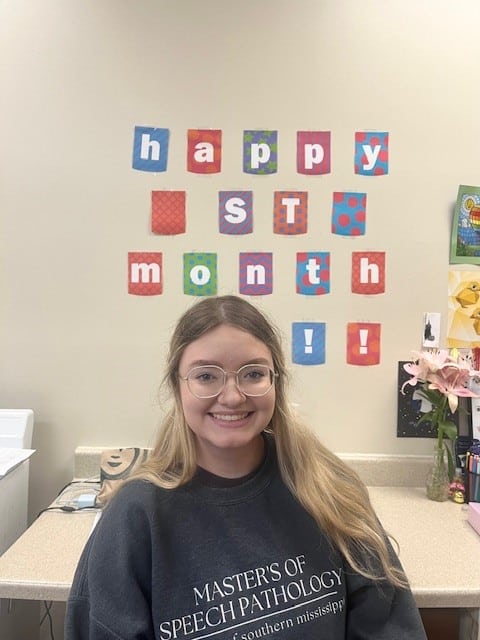
Kailee: One moment that made me feel proud was being able to upgrade an NPO (nothing by mouth) patient to a PO (by mouth) diet and watching them enjoy their first meal they’ve had in months.
Emilee: An especially fulfilling moment for me was when a resident, who arrived NPO on a PEG tube post-stroke, was discharged home on a full, regular diet. They were able to come off of the PEG feedings completely.
What is the most rewarding part of working with residents and patients in your current facility?
Lauren: It is very rewarding to work with patients to help them transition to their next level of care, many times you can really see the functional impact of speech therapy intervention. In the skilled nursing setting it is great to work collaboratively with family to ease this transition as well.
Olivia: I love seeing my patients achieve more happiness and independence. Whether it be eating their favorite food again after swallowing treatment or being able to speak with old friends once more, it brings a smile to my face each time.
Katey: The most rewarding part of working with residents/patients in my facility is getting to see patients succeed at hard things that they believe they might not be able to accomplish. When a patient is able to complete a hard activity or return home after weeks of therapy, it is so rewarding to watch them accomplish those goals. For a lot of the long-term residents, it is rewarding to see how much they enjoy coming to therapy each day. I love getting to see them smile when they get to come to their favorite place and spend time in therapy!
Kailee: As I stated earlier, the effort these patients put in to want to return back to communicating is very rewarding to see.
Emilee: Seeing the joy and pride on their faces when they’ve reached a milestone that we’ve been working towards.
What do you enjoy doing in your free time when you’re not working?
Lauren: I love to read, especially fantasy, romance and historical fiction. I also enjoy baking and trying out new recipes!
Olivia: My favorite things to do outside of work include spending time with my husband and our two dogs, traveling, sharing time with family, attending church, and cooking/eating good food.
Jennifer: I enjoy spending time with family, watching my girls play sports, and traveling when I’m able.
Katey: When I am not working, I love to spend time with my friends and family. I love crafts, such as painting and crocheting, but I also love to go to the gym and read when I have time!
Kailee: I enjoy working out, spending time with my family, and doing things around the Cleveland area.
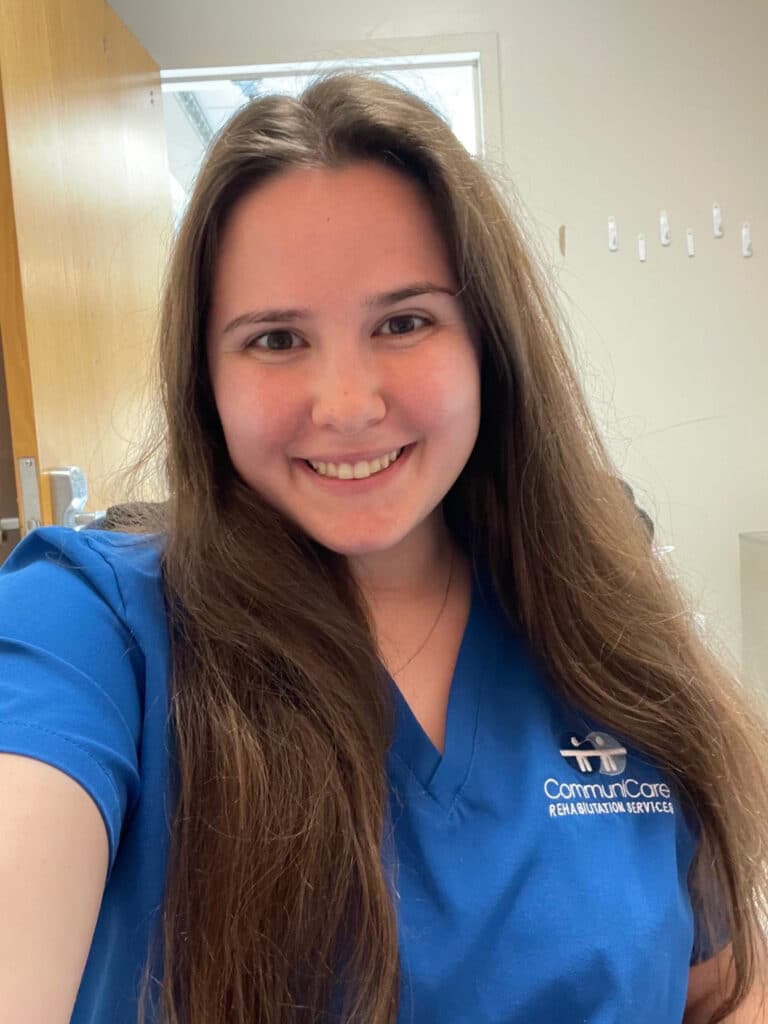
Emilee: When I am not working, I am usually at an antique mall or in a cemetery, either exploring or cleaning graves.
Can you share something fun or unique about yourself that most people wouldn’t know?
Lauren: I love to sing! I have performed in many musicals throughout my life and sang in the chorus and acapella groups during high school and college. These days you can find me belting out Broadway musicals in the shower or when alone in my car—and sometimes while I’m writing my daily notes at work (ha ha).
Olivia: By age 24, I have been to 44 states and several countries. I hope to keep adding to the list!
Katey: Something fun about myself is that I am getting married very soon in the month of May this year! I am so excited to finally get to enjoy my wedding day after months of planning!
Emilee: I love to collect antique photographs! If it’s pre-1950, then I am interested!
What would you want people to know about ST as a profession, especially as we celebrate Speech-Language-Hearing Month in the nursing home space?
Lauren: As a Speech-Language Pathologist I am able to make a real impact on people’s lives in so many ways. The field is broad which allows me to expand my knowledge and clinical skills every day.
Olivia: Being an SLP is so much more than providing speech treatment. Aiding in teaching and/or rehabilitating speech/language skills is an important aspect of our field, but it is so much more vast than that. Take time to research speech language pathology. It is so rewarding, especially for me in a skilled nursing facility.
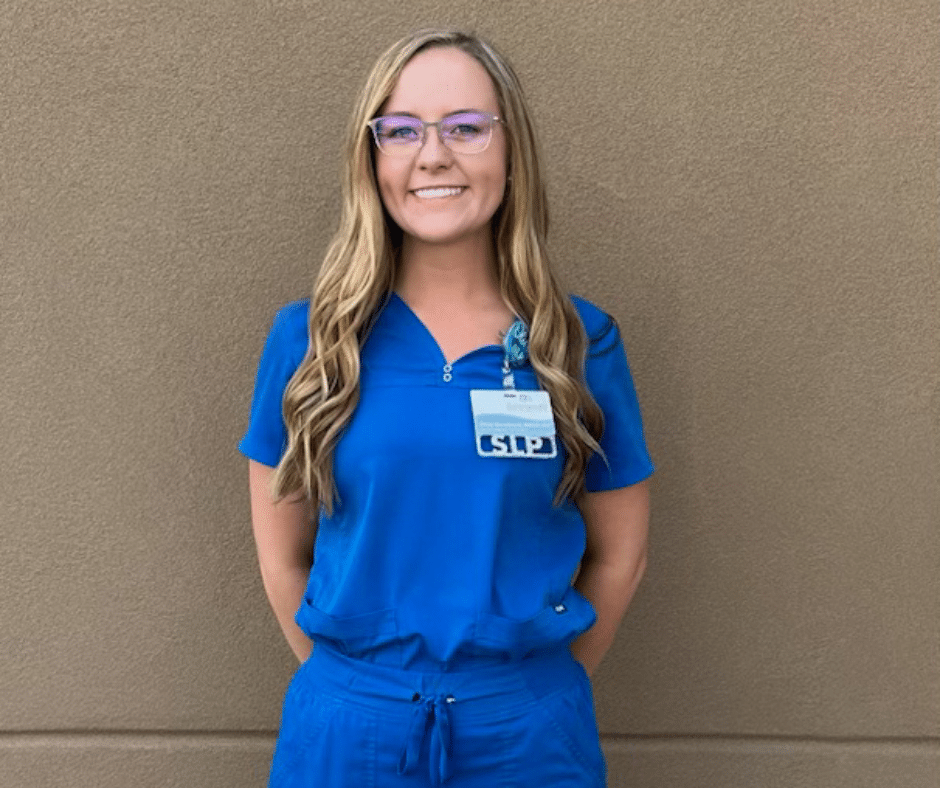
Katey: I think a lot of people don’t realize the vast range of populations that speech-language pathologists treat on a daily basis. I feel like a lot of times people believe SLPs just work in schools with children who have articulation disorders, however this really isn’t the case! I love how widespread my field is, and I would love for everyone to see how beneficial speech therapy can be to patients of all ages! I would love to spread awareness on swallowing and cognitive intervention as most people don’t know much about it!
Kailee: I want people to realize that we do not just work with stutters or people that can’t talk. Our job scope is so vast, and we have the ability to help with so many different populations.
Emilee: SLPs address more than just speech! Cognitive-communicative deficits, voice therapy, swallowing-those, and “helping people talk” are just the tip of the iceberg.