Honoring Generations of Heroes Through Our Honor 360 Program
As Veterans Day approaches, we pause to honor the brave men and women who have served our country. At CommuniCare, we are proud to be a Veteran-owned company, and we’re committed to supporting Veterans among our employees, residents, and patients through our Honor 360 program.
What is Honor 360?
Honor 360 is a program dedicated to providing specialized medical care and support services for Veterans in post-acute and long-term care settings.For many years, CommuniCare has offered our Honor 360 program at numerous centers, including those that are contracted with VA hospitals. Honor 360 is more than a program, it’s our promise to make sure that every Veteran receives the care, respect, and recognition they have earned. This is our way of saying “thank you.”
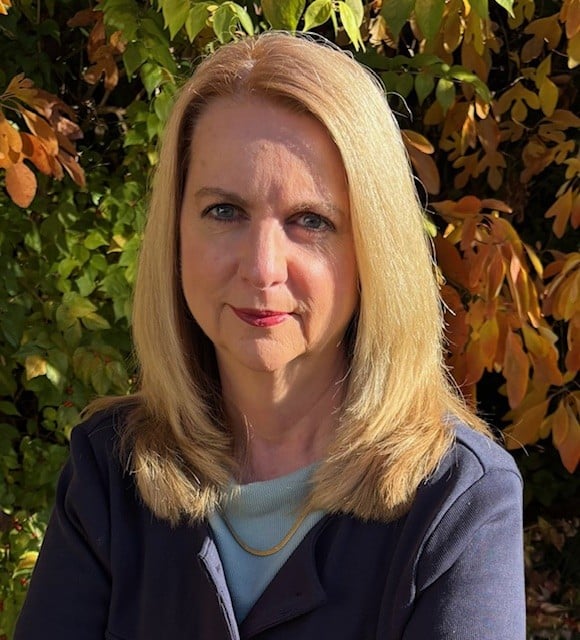
When asked about the inspiration behind Honor 360, Director of Veteran Programs and Services, Cheryl Hammons, shared, “Honoring our Veterans and their surviving spouses will bring not only joy to them and their families but also benefit the community at large. Above all, we’re committed to ensuring that every Veteran has access to the resources they’ve earned and reminding them how deeply grateful we are for their service.” In the information below, Cheryl highlights the different generations of Veterans we serve.
Honoring Veterans Across Generations
Our Veterans are as diverse as the eras they represent. From the Greatest Generation of World War II to the Post-9/11 service members of today, each has unique experiences, sacrifices, and stories that shape who they are and how we care for them.
- The Greatest Generation (WWII): This generation lived through the Great Depression. During WWII, every American felt the impact of war. Those serving typically had a tour of about 21 months. At home, many faced food and gas rationing, participated in copper and steel drives, and women took on jobs traditionally held by men to free them for service. When the war ended, returning Veterans were celebrated as heroes. Everyone played a role, and society was forever changed by their service.
- The Silent Generation (Korean Conflict): This generation got their name for being conformist and products of the Great Depression. These Veterans are often overlooked. Serving about 18 months on average (though some stayed longer), many were drafted, some volunteered, and others had served in WWII. The Korean War is often called “the Forgotten War.” Despite fighting bravely, these Veterans didn’t receive the fanfare of WWII heroes, and many rarely speak about their service. Many feel their service didn’t matter.
- Baby Boomers (Vietnam War): Baby Boomers got their name from the population boom after WWII. Many protested the Vietnam War, and some left the country for Mexico or Canada to avoid the draft. Tours in Vietnam averaged 12 months, with variations by branch. Many Veterans faced hostility when they returned, being called names like “baby killers” and struggled to find work. Distrust in government, the VA, and society are common. Some Vietnam Veterans live in isolation, and a significant portion of homeless Veterans are from this era. Mental health struggles, including PTSD, were often overlooked for decades.
- Cold War Veterans: During the Cold War, tension with Russia was constant, including conflicts like the Cuban Missile Crisis. The military had to maintain readiness for multiple conflicts, including the Korean and Vietnam Wars. Many were drafted from 1948–1973 to fill gaps in voluntary service. Cold War Veterans are sometimes overlooked and even question whether they “count” as Veterans. While the VA prioritizes combat Veterans, Cold War Veterans deserve recognition for their service.
- Gulf War Veterans: The first major deployment with an all-volunteer military, tours lasted 7–12 months. Desert Storm Veterans were welcomed home better than Vietnam Veterans thanks to their advocacy, but they are often forgotten today. Despite having high casualty rates, these Veterans are sometimes seen as a precursor to more recent conflicts.
- Post-9/11 Veterans: Generation X is often called the latchkey kids because many grew up with both parents working. Millennials are the largest generation—even bigger than the Baby Boomers—and most can remember 9/11 and its significance which influenced many to enlist. Operations Enduring Freedom (Afghanistan) and Iraqi Freedom involved a new kind of service member facing unique challenges. Civilians often don’t realize that Iraq and Afghanistan were very different combat environments. These Veterans were the first required to serve multiple deployments, sometimes up to seven tours. PTSD and other mental health impacts are now being seen on a larger scale, with the VA still adapting to this generation’s needs.
Every Veteran’s story matters. At CommuniCare, we believe that honoring Veterans is not a one-day event, it’s an ongoing commitment. To all who have served, thank you for your service and your sacrifice, and through Honor 360, we are proud to serve you in return.